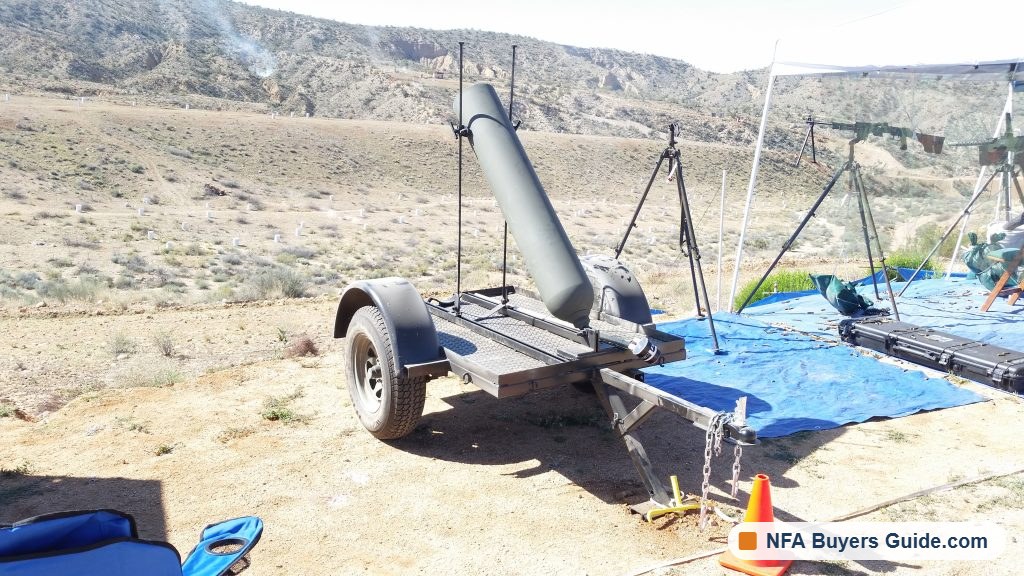
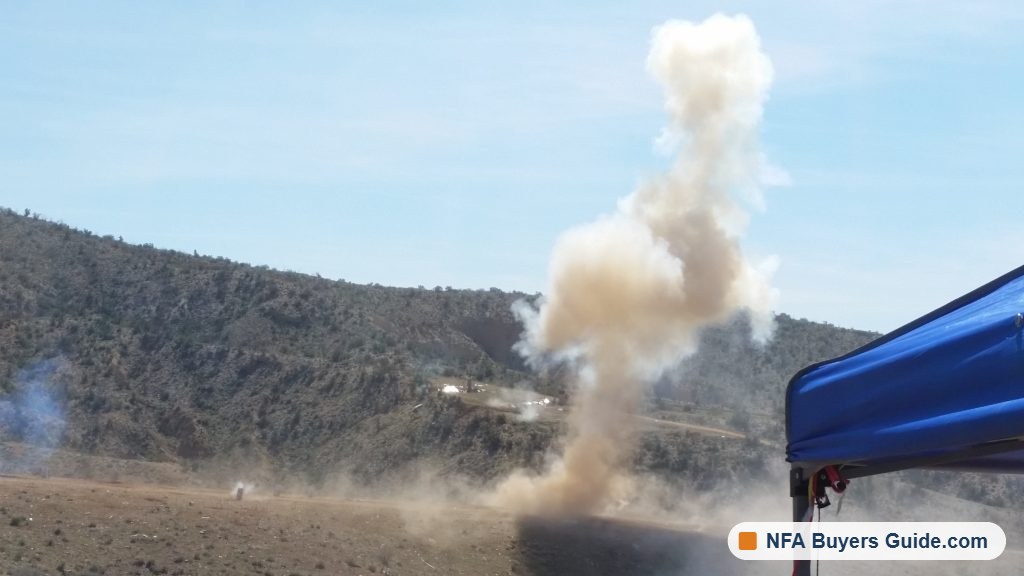
Destructive devices joined the NFA in 1968, when the Gun Control Act rewrote the law. They are the big-bore end of Title II: cannons, launchers and the explosive rounds that go with them.
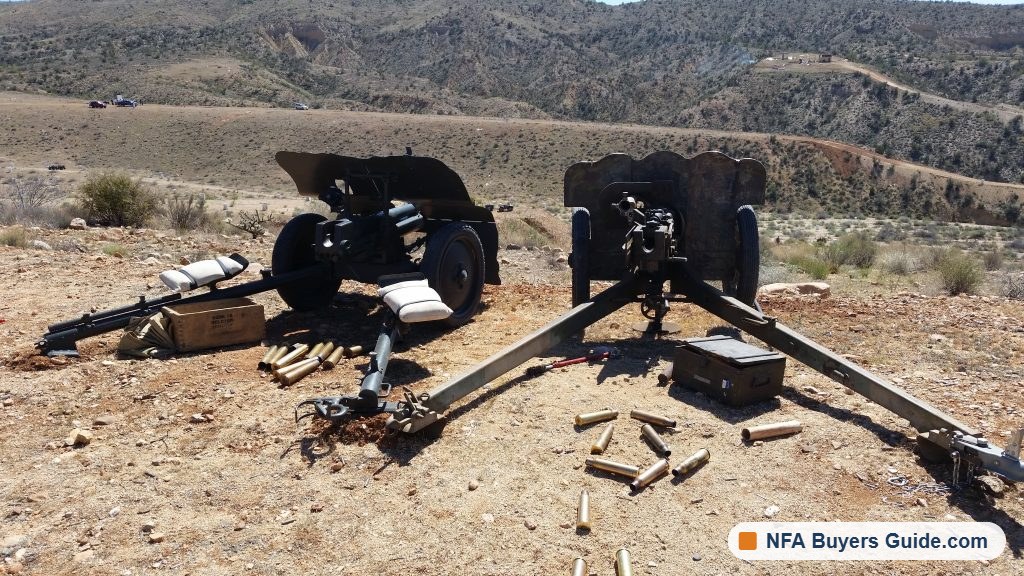
What counts as a destructive device
- Explosive, incendiary or poison gas devices such as grenades, bombs, rockets and mines.
- Any weapon with a bore over one-half inch, except shotguns ATF has found suitable for sporting use.
- Parts designed to convert something into a destructive device.
Each live explosive round is its own destructive device, with its own paperwork and tax. Antique cannons and many muzzleloaders fall outside the definition.
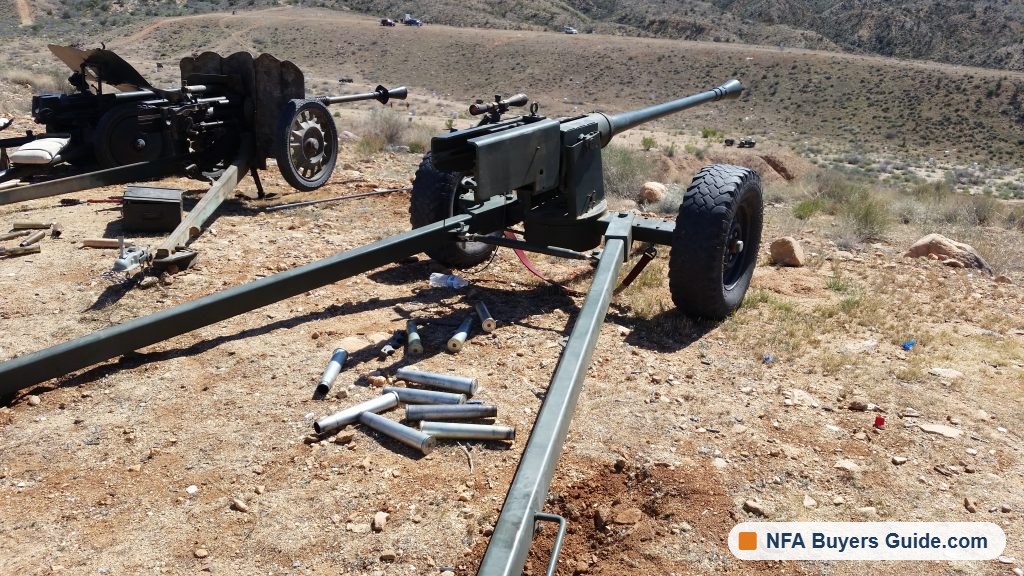
Buying or building one
Destructive devices keep the full NFA process: a Form 4 to buy or a Form 1 to make, fingerprints, photo, the $200 tax and ATF approval before you take possession or start building. File a Form 20 before moving one across state lines.